Have you ever found yourself constantly running between the fridge, stove, and sink while cooking, wishing everything was just a little more organized?
A good kitchen design isn't just about style—it's about creating an efficient workflow that makes cooking easier and more enjoyable. When you're working with limited space or want to improve your kitchen's functionality, smart workflow planning becomes essential.
Let's dive into some layout tips that will help streamline your cooking process and transform your kitchen into a space that works for you.
Understand the Kitchen Work Triangle
One of the fundamental principles of kitchen design is the work triangle: the ideal arrangement of the three main work areas—the fridge, stove, and sink. These are the areas you'll interact with the most while cooking, so their layout plays a key role in your kitchen's efficiency.
1. Proper spacing: The distance between these three areas should be neither too far nor too close. If they're too far apart, you'll be wasting time and energy walking between them. Too close, and you might feel cramped.
2. Avoid obstacles: Keep the work triangle clear of obstacles like large pieces of furniture or traffic areas. This ensures that you have a smooth, uninterrupted workflow.
3. Flow: The idea is to create a natural flow where you move easily from one station to the next. Think about how you prepare a meal: you grab ingredients from the fridge, wash and prep them at the sink, and cook at the stove.
Following the work triangle principle can significantly reduce unnecessary movement and make cooking feel more effortless.
Utilize an Open Layout for Easy Movement
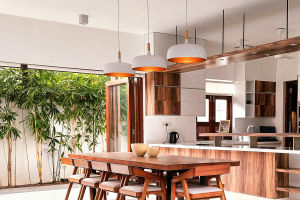
While the work triangle is vital, the overall layout of your kitchen also matters. An open layout can make your kitchen feel more spacious and provide better access to all your tools and ingredients.
1. Island or peninsula: If you have the space, an island can serve as a prep area, extra storage, and even an additional seating space. It can act as a central point, making it easier to access all parts of your kitchen.
2. Open shelving: Replace bulky cabinets with open shelves or floating shelves to store items you use frequently. This reduces the need to open and close cabinets constantly and adds a modern touch to your kitchen.
3. Free up counter space: Avoid overcrowding your counters with gadgets and appliances you don't use every day. The more open counter space you have, the easier it is to work in the kitchen.
An open layout makes everything more accessible and lets you move freely, so you won't feel cramped while cooking.
Optimize Storage for Easy Access
The less time you spend searching for a utensil, ingredient, the more efficient your kitchen will be. Smart storage solutions are essential in keeping everything organized and easily accessible.
1. Pull-out drawers: For easy access to cookware, pans, and other items, opt for pull-out drawers instead of traditional cabinets. You can see everything at once without needing to bend over and search.
2. Drawer dividers: Organize your cutlery and utensils with drawer dividers. This keeps everything in its place and prevents you from wasting time rummaging through a drawer.
3. Vertical storage: Make use of vertical space by adding tall shelving or hanging racks. For example, store spices or cooking utensils on a wall-mounted rack near the cooking area. This keeps your tools within reach and saves counter space.
With efficient storage solutions, you'll be able to keep everything organized and easy to find, so you're not wasting time looking for things.
Create Dedicated Zones
Zoning is the concept of designating specific areas in the kitchen for different tasks, helping you stay organized and improve efficiency.
1. Prep zone: This should be your largest counter space, where you chop, mix, and prepare ingredients. Make sure it's near the sink for easy washing and the stove for quick access to cooking.
2. Cooking zone: This is where you'll need your stove, oven, and nearby utensils. Keep this area clutter-free and well-stocked with the essentials.
3. Cleaning zone: Keep your sink, dishwasher, and trash nearby for easy cleanup. Ideally, this zone should be near the prep and cooking areas to minimize steps.
By creating zones for different activities, you'll avoid running around and keep things in their proper places.
Keep Traffic Flow in Mind
Another often-overlooked aspect is traffic flow. A good kitchen layout minimizes congestion and makes the space more functional.
1. Avoid blocking key areas: Make sure that the fridge, stove, and sink aren't all in the path of foot traffic. This can cause congestion and make it harder to move around freely.
2. Separate tasks: If multiple people will be working in the kitchen, separate cooking tasks as much as possible. For example, one person can use the prep zone, while another is cooking at the stove.
3. Work with your space: Even in small kitchens, you can optimize traffic flow by arranging items logically and keeping busy areas clear.
Good traffic flow ensures that everyone can move around without getting in each other's way, making the kitchen feel more comfortable.
Consider Task Lighting
Lighting plays a crucial role in your kitchen's functionality. Poor lighting can make it difficult to see what you're doing, while good lighting helps create an efficient workspace.
1. Under-cabinet lighting: This is perfect for illuminating the countertops where you do most of your work. It reduces shadows and makes it easier to prep and cook.
2. Overhead lighting: Bright overhead lights are important for general illumination, but try to avoid overly harsh lights. Opt for something warm to make the space feel inviting.
3. Task lighting over the stove: Ensure your stove area is well-lit so you can cook with ease. A range hood light or a pendant light works well here.
Task lighting ensures you're working in a well-lit space, which helps reduce mistakes and improves efficiency.
Smart Design, Better Cooking
Planning a smart workflow isn’t just about aesthetics; it’s about creating a space that enhances your cooking experience. With the right layout, storage solutions, and zoning, your kitchen can become a place where everything has a purpose and is within reach. Whether cooking a quick meal or preparing for a dinner party, these tips help your kitchen work for you, not against you.