If your outdoor space is tight, 2026 introduces a fresh approach: botanical bento gardening.
Inspired by Japanese bento boxes, this trend turns every inch of your garden into a curated, purposeful display.
Each plant, container, or plot has a role, combining aesthetics and functionality. Unlike chaotic planting trends, bento gardening emphasizes intention—every plant has a reason for being exactly where it is.
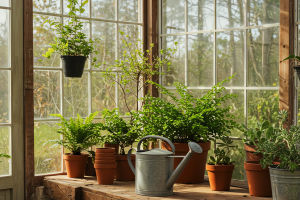
Whether your backyard is tiny or moderately sized, bento gardening allows you to create visually striking, organized compartments. Herbs, vegetables, and flowers can all coexist in defined sections, making your garden not only beautiful but also practical. Tools and accessories, like shears or watering cans, can be strategically placed to maximize efficiency and ease of use.
Container Gardens and Plant Grouping
Containers are perfect for botanical bento gardening. You can segment plants by purpose—culinary herbs in one container, cut flowers in another, or pollinator-friendly species in a third. Pair plants using the "thriller, filler, spiller" method for visual appeal. A bold "thriller" plant becomes the focal point, "filler" plants add texture and color, and "spiller" plants cascade over the edges to create movement.
This technique can also incorporate color schemes, seasonal rotations, or companion planting principles. For example, aromatic herbs like basil or rosemary pair well with marigolds to deter pests naturally, while flowering perennials attract pollinators. By designing each container or section intentionally, even a small patio can feel lush, harmonious, and easy to maintain.
Scaling Up: Bento Gardens for Larger Spaces
Bento gardening isn't just for small areas. In a larger backyard, divide the space into functional zones using hedges, fencing, or raised beds. Grids and structured layouts allow you to create mini-compartments, each with a dedicated purpose—vegetables in one section, flowers in another, and pollinator plants elsewhere.
Organized pathways and consistent spacing help maintain visual harmony while keeping plants healthy. This method emphasizes function and beauty simultaneously, making the garden both practical and a visual delight. It also makes daily maintenance easier, as each section is accessible and clearly defined.
Replacing Outdated Gardening Habits
Old-school gardening techniques can hinder growth and soil health. Double-digging or heavy tilling disrupts soil structure and beneficial organisms, while removing every fallen leaf wastes valuable nutrients. Instead, consider no-dig methods, top-dressing with compost, and leaving seed heads for wildlife during winter.
Lawns can benefit from pollinator-friendly mixes instead of being overly manicured and weed-free. Over-spraying pesticides destroys biodiversity and destabilizes the garden ecosystem, while peat-based soils are no longer sustainable. Opt for peat-free compost, leaf litter, and well-rotted manure to improve soil naturally. Proper watering and mulching techniques further support plant health without harming the ecosystem.
Safer and Smarter Material Choices
Some traditional gardening materials, like creosote-treated timbers or old railroad ties, are hazardous near edible plants. Opt for naturally durable woods like cedar or larch, or alternatives like masonry or galvanized metal. Avoid topping trees aggressively; selective pruning by a professional arborist preserves structure and health. Mulch should form a protective donut around trees, not a suffocating cone.
Even groundcovers should be chosen carefully. Non-invasive, clump-forming species like creeping thyme or creeping phlox provide soil coverage, reduce weeds, and improve aesthetics without becoming uncontrollable. Thoughtful material and plant selection ensures a safer, more sustainable garden that thrives year after year.
Final Thoughts
Botanical bento gardening is a blend of creativity, intentionality, and sustainability. By carefully designing each compartment and making smarter material and planting choices, small spaces can feel abundant and alive. This trend invites gardeners to work with nature, maximize utility, and create beauty with purpose.
Whether your backyard is tiny or expansive, a bento-inspired approach can turn your outdoor space into a structured, thriving sanctuary that's visually stunning and ecologically responsible.