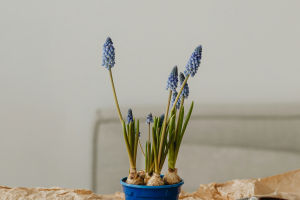
As spring breathes life into our surroundings, one rising star in the floral world is quietly winning hearts—grape hyacinths. Its charming name captures attention, but it’s the delicate clusters of blue-purple, grape-like flowers that truly earn it the nickname “flower elf.”
Imagine walking past your balcony or garden and seeing these tiny blooms glimmer in the sunlight—it feels like magic. Even better, with the right care, they can bloom again the following year.
The Secret to Second-Year Blooms
Many of us fall in love with grape hyacinths in their first year. Their fresh, refined elegance is unforgettable. The real surprise is that, with proper care, they can return just as vibrant—or more so—the following spring. The secret isn’t hidden in exotic techniques—it’s tucked in the daily habits we adopt as gardeners. Timing, patience, and attention to detail make all the difference. When we follow these steps, we’re not just growing flowers—we’re nurturing a small miracle.
After-Bloom Care: Powering Up for Next Year
After the flowers fade, resist the urge to cut off the leaves right away. The foliage is busy performing photosynthesis, sending nutrients back into the bulb, which is crucial for next year’s bloom. Only once the leaves naturally yellow and dry should we trim them carefully. Avoiding premature removal ensures the bulbs accumulate enough energy to return in full glory. Think of it like letting a child rest and recharge after a busy school year—patience truly pays off.
Bulb Harvesting and Storage
When the leaves have completely withered, gently dig up the bulbs. Let them air-dry to remove surface moisture, then wrap them in newspaper and store them in a cool, ventilated place. Avoid damp or humid conditions, as these can cause mold or rot. This step is critical: healthy bulbs are the foundation of a spectacular second-year bloom. If you notice any soft or damaged bulbs, remove them to prevent issues from spreading. Taking the time for careful storage pays off when spring arrives.
Soil Preparation: Fertile and Breathable
Before replanting, prepare a loose, fertile soil mix with excellent drainage. Mixing in leaf mold, compost, perlite, or similar amendments improves aeration and water retention. This gives the bulbs a healthy, supportive environment. Imagine planting in soil so soft and airy that the bulbs feel like they are resting on a cloud—strong roots lead to vibrant flowers. A well-prepared soil bed is one of the most important steps for lush, colorful blooms.
Timing and Planting Techniques
Timing matters. Planting in autumn is generally ideal, as moderate temperatures encourage root growth before winter. Plant bulbs at a moderate depth—too shallow, and they may dry out; too deep, and growth slows. Space them properly so each bulb has enough room to thrive and access nutrients. Consider planting in clusters for visual impact, but still giving each bulb space to breathe. With these careful adjustments, our grape hyacinths have every advantage to return beautifully next spring.
Smart Fertilization: Boosting Blooms
During growth, moderate fertilization is key. Use water-soluble fertilizers or well-rotted organic compost for best results. Pay attention to concentration and frequency—too much can harm the bulbs. In the weeks leading up to bloom, adding phosphorus and potassium enhances flower brightness and longevity. Think of it as giving our flowers a little “energy boost” before showtime. Small, consistent care routines like this often yield the most impressive results.
Enjoying the Bloom
The magic moment comes when spring returns. Our grape hyacinths display their crystalline, grape-like clusters, transforming any balcony or garden into a dreamy, magical space. Seeing these blooms emerge each spring reminds us that patience and care yield beautiful rewards. Walking among them feels like stepping into a miniature fairyland.
Create Your Own Floral Magic
Lykkers! Let’s make the effort to ensure this beauty continues year after year. With patience, attention, and proper care, grape hyacinths can become the highlight of our garden or balcony. Their second-year bloom isn’t just a repeat—it’s an opportunity to witness an even greater display of splendor. Start nurturing your grape hyacinths today, and watch your garden transform into a magical spring wonderland every year!