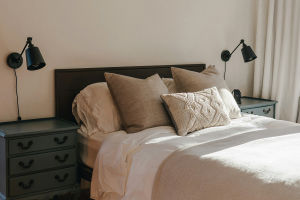
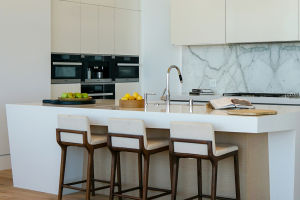
Ever walked into a room that instantly felt uplifting, not because of the furniture but because of the sunlight streaming through?
Natural light has that effect—it transforms spaces, lifts moods, and even helps cut down on energy bills.
Designing a home with natural light in mind isn't just about placing big windows; it's about knowing how to use light wisely.
Think About Window Placement
Windows are the main source of natural light, but where you put them matters more than how many you have. If you're remodeling or planning a build, consider:
1. Orientation – South- or west-facing windows often catch the most daylight.
2. Size and height – Tall windows or ones closer to the ceiling allow light to spread deeper into the room.
3. Pairs and groups – Combining windows in clusters can brighten dark corners and make a room feel more open.
Even in homes where moving windows isn't possible, you can maximize existing ones by keeping frames slim and using lighter curtains.
Use Reflective Surfaces
Natural light bounces—your job is to give it surfaces to play with. Think glossy finishes, bright paints, or even strategically placed mirrors.
1. Mirrors – Hang one across from a window to double the light effect.
2. Floors – Lighter wood or polished stone reflects light better than darker finishes.
3. Furniture – Glass coffee tables or light-colored cabinets prevent a room from soaking up all the sunshine.
These small tweaks can take a dim space and make it glow without using additional electricity.
Choose Colors That Work with Light
Colors affect how bright or dull a room feels. While pure white walls bounce light the most, they can sometimes feel stark. Softer shades—like creams, pale blues, or muted greens—create warmth while still reflecting plenty of daylight.
1. Ceilings – Keep them light so they reflect, not absorb, light.
2. Accent walls – One darker wall won't ruin brightness but can add depth and character.
3. Textiles – Rugs, cushions, and curtains in airy colors keep the space from looking heavy.
The goal isn't to wash your house in white but to choose tones that work with light, not against it.
Let the Outdoors In
Sometimes natural light struggles to reach inside because something blocks it outside. A tall hedge or bulky tree near a window might give shade but can also make a room feel gloomy.
1. Trim greenery – Keeping bushes and trees neat allows more light in.
2. Glass doors – Sliding or folding glass doors open rooms to gardens or patios, letting light flood in.
3. Skylights – If possible, skylights are an excellent way to bring daylight into kitchens, hallways, or bathrooms that lack windows.
By clearing the view, you're not just adding brightness—you're strengthening a connection with nature.
Smart Interior Layouts
The way you arrange furniture can either help or block natural light. A tall bookcase right in front of a window is a simple mistake that can ruin the flow of light.
1. Keep windows clear – Avoid placing heavy furniture directly in front of them.
2. Use open shelving – Solid partitions block light, while open ones allow it to pass through.
3. Room dividers – If you must separate spaces, consider glass partitions or translucent screens instead of solid walls.
Think of light as a guest—it needs pathways to move around your home freely.
A home that embraces natural light doesn't just look better; it feels better. The play of sunlight across a room can make mornings more cheerful and evenings more calming. Start small—swap heavy curtains, place a mirror, move a chair—and you'll see how quickly light transforms your living space. Designing with light isn't about grand gestures; it's about thoughtful choices that make everyday life brighter.